
2 hours ago
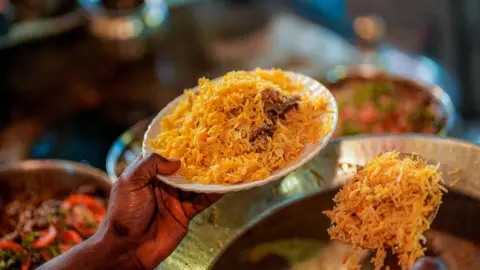
Mouth-watering kebabs, aromatic biryani, and airy, ethereal desserts.
The historic city in northern India of Lucknow has forever been a dream destination for epicures, with inhabitants and travelers equally celebrating its exquisite cuisine.
In a recent announcement, Unesco designated it as a City of Gastronomy within its Creative Cities Network – adding it to a exclusive group of world cities and sparking hopes that it will highlight Lucknow's sublime food. With this title, it becomes part of a worldwide network of over 400 urban centers across more than 100 countries focused on promoting "artistic expression as a key factor of sustainable urban development".
The recognition "is a testament to its profound culinary traditions and lively food ecosystem," as noted by a spokesperson from Unesco's regional bureau for South Asia.
Lucknow is merely the second Indian city – after Hyderabad, which was chosen in 2019 – to secure a position in this prestigious list of seventy urban centers internationally.
The recognition for this historic city is no surprise to its locals or passionate food lovers. Many share the view that it is "better late than never".
With the UNESCO accolade, this beloved, lively, and diverse city – the capital of India's most populous state – is now in the spotlight for what has always defined its soul: an profound passion for food.
"'What's for dinner, how will it be cooked' is a continued conversation from waking up until going to bed in most homes," explains a local cultural expert. "And you are actually evaluated by the standard of food that is produced in your kitchen."
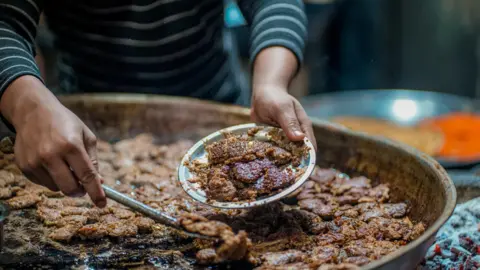
The City of Nawabs – as it's often referred to after its 18th and 19th-century opulent Muslim rulers – is noted for its melt-in-the-mouth kebabs and a singular take on biryani that were conceived, refined, and elevated to exquisite levels in their royal kitchens.
These kitchens of the nobility were epicenters of food experimentation, blending Persian and native Indian styles to create what became known as the food of Awadh.
It was in this era that Lucknow's iconic kebabs were created. Legend has it that the galouti kebab was invented to feed an elderly nawab who had no longer had his teeth. His cooks minced the meat with papaya, saffron, and a blend of spices and made it so soft that it required no chewing.
But arguably the greatest contribution of the cooks of Awadh was the slow-cooking Dum pukht technique, where food is cooked on a gentle, leisurely heat, with the pot's lid securely sealed with a flour paste.
Besides the famous kebabs and biryani, the culinary masters also created a repertoire of dishes that included kormas (creamy curries), sheermal (saffron-infused flatbread), and shahi tukda (a rich bread pudding).
However, Lucknow is not just about kebabs and biryani – the region is also a haven for vegetarians.
The local Baniya community's cuisine not only celebrates fresh harvests but also gives the city its highly curated Indian desserts, sweets, and unique street food, like chaat – zesty fried snacks.
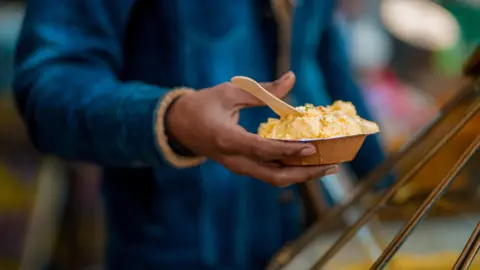
Virtually on many street corners, there are little shops and stalls – lesser-known gems that are immensely popular with the locals.
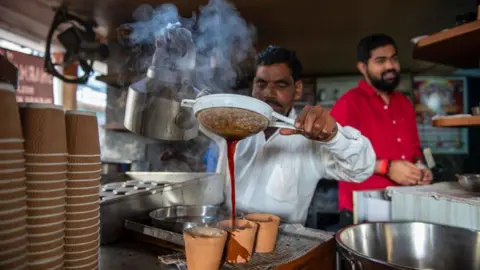
In the heart of the city of Hazratganj, large gatherings start milling around from 5 am at a legendary tea stall to get a piping hot cup of milky masala chai, presented in clay glasses, along with incredibly soft buns lathered with hand-churned white butter.
To start the day, one can head to a unpretentious joint located in the old city area of Aminabad. Almost 150 years after it was established, the place is still highly popular for its hot kachoris (fried bread stuffed with lentils) and jalebis (crispy, syrup-soaked sweets).
The city also offers remarkable treats of the season, such as makkhan malai, a airy dessert available in the winter. The method of making it is precise and involved. The artisan beats the milk and then exposes it at night, allowing the dew to give it its amazing airy feel.
On chilly mornings, street vendors are often seen in historic neighborhoods like Aminabad and Chowk. Many but say that their younger generation do not want to learn the skill.
A well-known culinary expert from Lucknow has frequently stated that the city's immense food legacy places it right on top of the Indian street food experience. The true benefit from the UNESCO recognition, it is believed, will occur only if Lucknow can now create awareness about its lesser-known eateries.
Every dish in Lucknow tells a story – influenced by multi-generational food businesses, from humble street carts to lively restaurants, and secret family recipes.
The global recognition, it is anticipated, will encourage more people around the world to learn these narratives and experience the city to taste the food wonders of Lucknow.

A tech journalist and innovation analyst with over a decade of experience covering emerging technologies and digital trends.
News
By Darryl Williams
•
02 Oct 2026
News
By Darryl Williams
•
02 Oct 2026
News
By Darryl Williams
•
02 Oct 2026
News
By Darryl Williams
•
02 Oct 2026
News
By Darryl Williams
•
02 Oct 2026
News
By Darryl Williams
•
02 Oct 2026